
![Quote Mother Jones fr Military Bastile to Sen Kern, May 4, [1913]](https://weneverforget.org/wp-content/uploads/2018/05/Quote-Mother-Jones-fr-Military-Bastile-to-Sen-Kern-May-4-1913.png)
Hellraisers Journal, Tuesday May 21, 1918
“Heroine of Paint Creek” Recalls the Miners’ Friend, Senator Kern
From The United Mine Workers Journal of May 16, 1918:
NOTICE TO LOCAL UNIONS
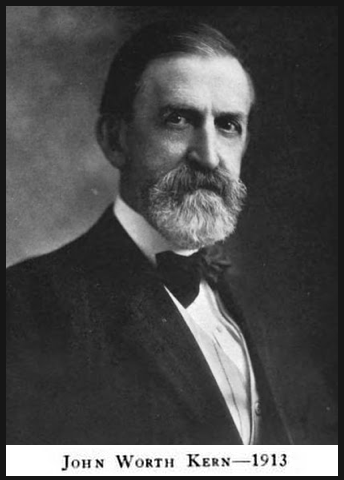
When Senator John W. Kern introduced his resolution in the United States Senate calling for an investigation into the conditions of the Paint Creek and Cabin Creek regions of West Virginia all the special interests in the country became active in an effort to defeat it.
A Wall street representative who had known Senator Kern in other days called him on the phone and begged him to drop the resolutions. “I’ll see you in hell first,” replied Kern, hanging up the receiver.
A more bitter battle has seldom been waged in the Senate, and for the first time in history in a straight fight between the powerful and the workers the workers won—through Kern’s gallant fight.
And that was in keeping with Kern’s battles for labor all his life.
The story of the ten-year battle for the unionization of miners in West Virginia is told fully and graphically in the
Life of Senator Kern,
which is being written by Claude G. Bowers, who was intimately associated with him.
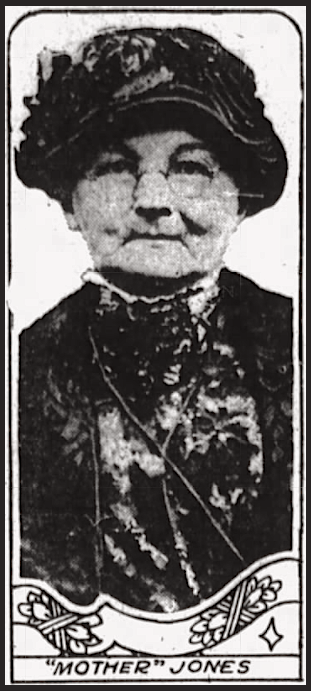
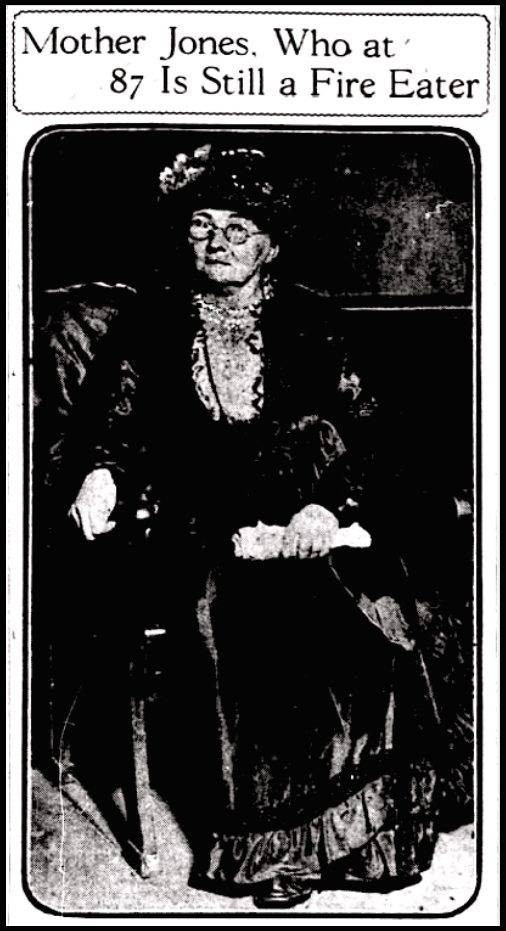
Mother Jones, the “heroine of Paint Creek,” has furnished much data to the author for this chapter—the longest in the book.
 ~~~~~~~~~~~~~~~~~~~~~~~~~~~~~~~~~~~~~~~~~~~~
 The half-starved men and women on the bread lines are the rulers of Russia. The crowd is the government. The faction of which Kerensky was the head, once looked upon by the world as radical, became, comparatively, as conservative as Taft in his second campaign. This faction did not represent the crowd, so it fell, leaving Kerensky with about as much influence in Russia as one William Jennings Bryan has here. If Kerensky should return to Russia he would be killed. If he and his supporters and remained in power two months longer every city in Russia would have been under German control. Korniloff planned the fall of Riga to frighten the Russian people into action, and admitted it publicly. The Kerensky government, when the people threatened to take its power from it, practiced sabotage on the food supplies of the people, fomented strikes in the manufacturing plants, and closed down factories.